Article

Mind Australia is working with young people and their families within primary school settings to help students manage emotional distress and improve mental wellbeing.
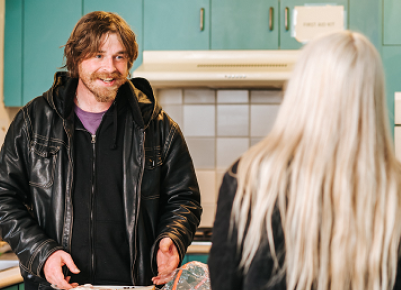
Mind Australia is working with young people and their families within primary school settings to help students manage emotional distress and improve mental wellbeing.
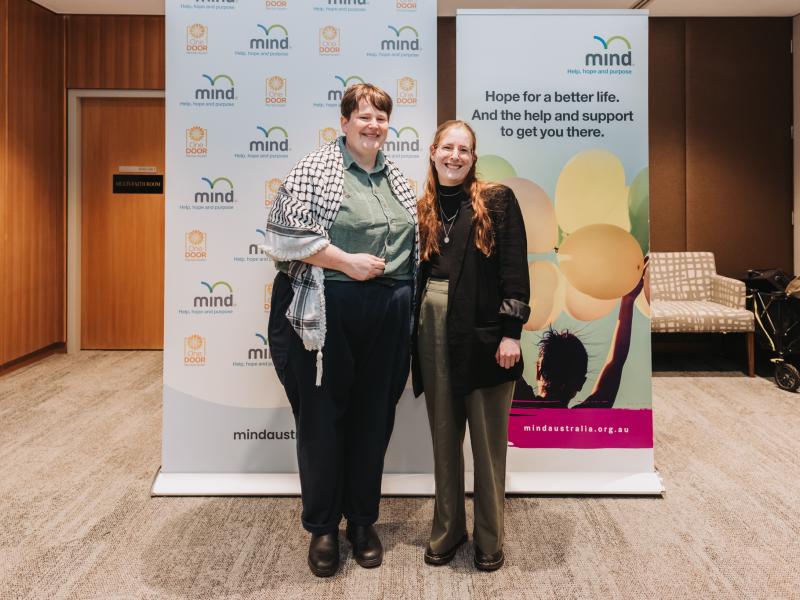
2024 Stratford Scholarship recipient Mush McLoughlan’s ‘deathsong witnessing event’ attempts to move away from fear-based to love-based responses to suicide.
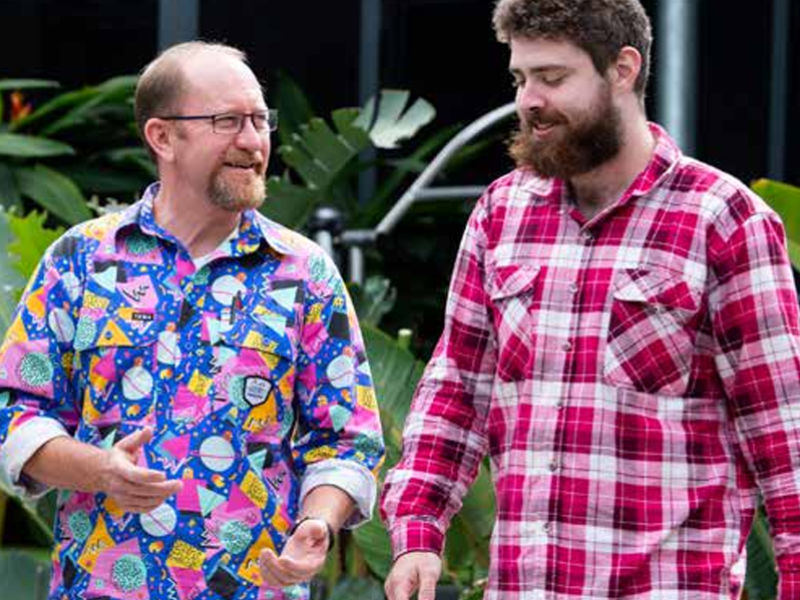
This article by members of Mind’s Research team (Dr Lauren Gibson, Helena Roennfeldt, Edith Botchway) and members of Mind’s Lived Experience team (Katie Larsen, Deb Carlon) was originally published in Volume 38 – Issue 1 of Parity.
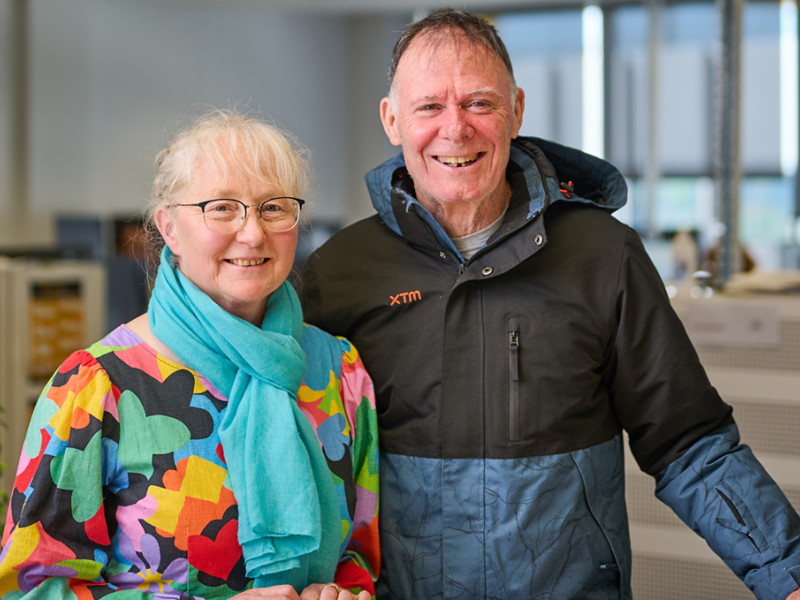
As we approach the end of the year, Mind’s 2025 Annual Report (PDF 1.4 MB) and our new Organisational Strategic Plan for 2026-2030 (PDF 1.67 MB) showcase both our recent achievements and the principles

Mind Australia and Mallee Family Care have been chosen to develop urgently needed support services for the families and carers of people experiencing mental health and wellbeing challenges in the Loddon Mallee region.

Mind Australia Board Chair Professor Allan Fels said sharing his family’s experience had helped normalise public conversations about mental health.

Mind Australia’s new webinar series Respect in action: exploring intersectional inclusion in mental health will discuss how mental health service providers can better support clients with diverse needs and experiences.
The second webinar in Mind Australia’s Respect in action: exploring intersectional inclusion in mental health series will discuss mental health, housing and homelessness.
The webinar series is designed to foster conversations and provide an opportunity to learn more about the mental health needs of people from all backgrounds, ages and abilities.
Mind Australia, in partnership with Australian Housing & Urban Research Institute (AHURI), has completed a two-year national study examining the relationship between the housing and mental health pathways of people with lived experience of mental ill-health.
This ground-breaking research confirms a direct relationship between housing and mental health. Among other key findings, the research shows that housing is the foundation for mental health recovery and that mental health, housing and homelessness are interrelated.