Sometimes the resilience that helps us get through tough situations can stop us from reaching out for help when we need it. The new Drought Mental Health Support program in South Australia is staffed by people from the same regional communities to make it easier for people to get help from people who can relate.
Kathryn Cousins, Mind Senior Service Manager - Community Services South Australia, knows it’s not always easy for people to seek help. “People in regional communities – and farmers in particular – are very resilient, and they don’t often reach out when they’re having a challenging time. We want to breakdown those barriers.”
The new Drought Mental Health Support program is designed for people (aged 16 and over) living in regional and remote areas of South Australia who are impacted by drought – this includes Flinders and Upper North, Mid North and Yorke Peninsula, Eyre and the Far North regions. The program’s trained and experienced Counsellors and Community Mental Health Practitioners come from these areas.
“It has been important for us that the staff in these positions are already members of these communities, they have existing relationships and real experience of the communities they are working in. We believe we can breakdown those barriers because our staff are very experienced in what they do, and they’re already contributing members of their communities,” Ms Cousins said.
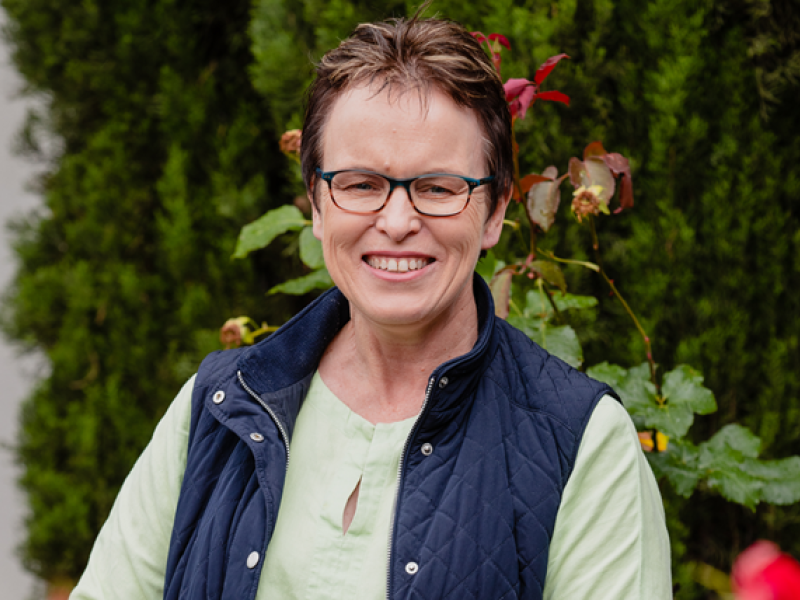
Toni Bastian is a Mind Counsellor who works in the Drought Mental Health Support program. Toni lives on a farm near Booleroo Centre in South Australia’s Upper North, where she has a first-hand understanding of what it’s like to live in regional communities and how drought can be so devastating.
“Our aim is to help people impacted by the drought and it’s not necessarily just farmers either – it can be anyone from industry and business that supports them, because often they become the accidental counsellors to farmers,” Ms Bastian said.
“We’re also trying to change how people think about seeking help, because sometimes just being able to talk to someone else in a confidential manner – understanding that it’s not going to become public notice – can help a great deal.
“Seeking counselling or reaching out for help doesn’t mean you failed or you’re a failure. Counselling can provide you with a safe space to offload and give yourself permission to let go of some of that pressure.”
The Drought Mental Health Support program is funded by the Government of South Australia in recognition of the mental health impacts of drought on regional communities. It’s support staff can help people improve their mental health resilience, increase their access to mental health and other services, and help people address grief and loss. It can also strengthen families and communities experiencing stress caused by drought.
“Drought Mental Health Support is incredibly flexible; our team can meet people in their homes, in community or we’re also basing our support out of community centres and medical centres as well,” Ms Cousins said.
“We provide on-going support and there’s no set structure to the program; if people need support weekly then we can provide that. It’s a mental health support program but there’s no set criteria, so it’s accessible and available even if you just want to have a chat.
“If you have been impacted by the drought or are living in those areas, we are available to provide support.”
Mind has seen the value of mental health and wellbeing support provided by people who can relate to and connect with their communities in all kinds of settings. Whether that’s LGBTIQA+ communities supported by Mind’s Aftercare program, family and carers via the Mental Health and Wellbeing Connect centres in Victoria, or the different Culturally and Linguistically Diverse communities supported by the Mental Health and Wellbeing Locals.
People can access Drought Mental Health Support by calling Mind Connect on 1300 286 463 or by emailing [email protected]