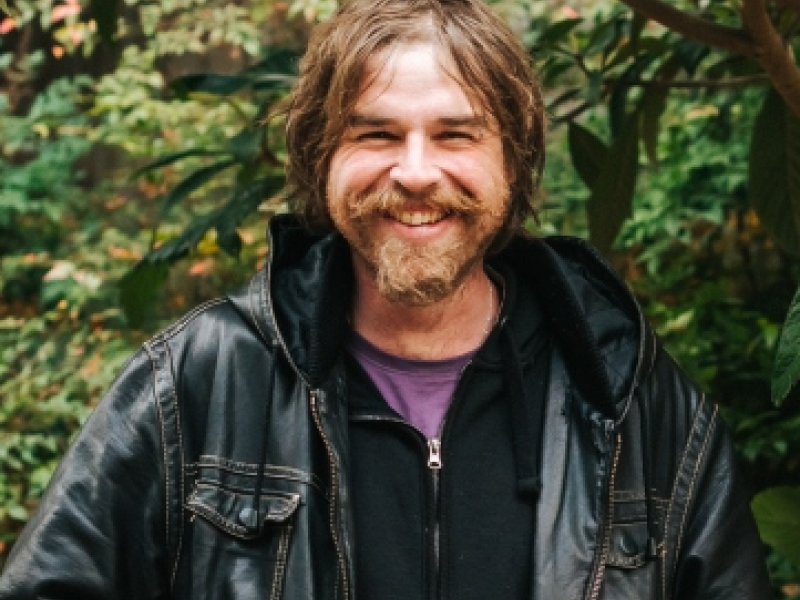
Rob says living at a Mind supported independent living residence is bringing him new stability, focus and optimism for the future.
“Coming here has been the biggest and happiest step of my recovery because it has really given me a chance to get all the parts of my life together,” he says.
Five years ago, Rob started experiencing strange and distressing voices and sensations in his body. As they became progressively more serious, his life became a destabilising merry-go-round of different hospitals, medication, couch surfing and homelessness.
Now, Rob is living in a share house-style residence, where residents have their own rooms and share a common kitchen, living area and activity areas.
“We live like a family as opposed to living in flats where you don’t talk to your neighbour. We all talk and have a relationship with each other and we all support each other as a group, which is really good,” he says.
“One of the best things for my recovery has been sticking with the same team of people that you trust and works with you. Staff here help you get ready to move back into society and function on your own - so you have all your basic needs set up like your budgets, your bank accounts, your work and you can look after yourself properly,” Rob says.
“They help you keep organised with your routines - getting up, keeping your room tidy, cooking meals. This service is providing a really important part of our recovery – it is giving us a chance to get back to normality.”
If this article raises concerns for you, please call Lifeline on 13 11 14. Aboriginal and Torres Straits Islanders can also call 13 YARN (13 92 76) a 24/7 national crisis support telephone service staffed by Aboriginal and Torres Strait Islander peoples.
If you would like more information, please contact us.
1300 286 463
[email protected]
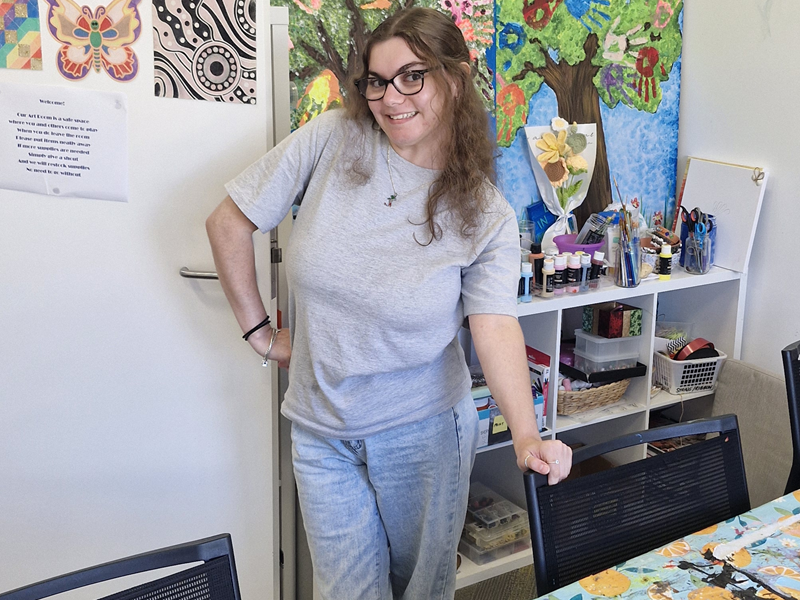
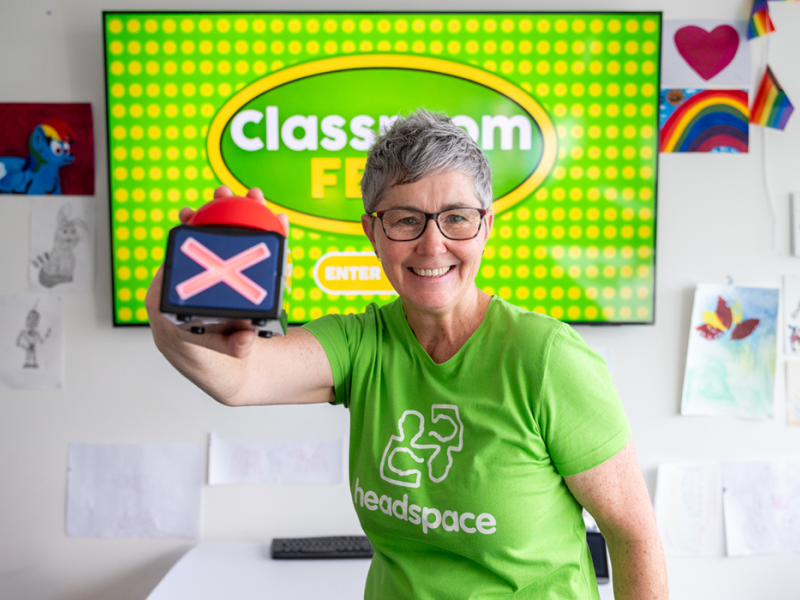
Having meaningful and productive conversations with young people can be challenging, especially when trying to discuss their mental health and what’s going on in their lives.