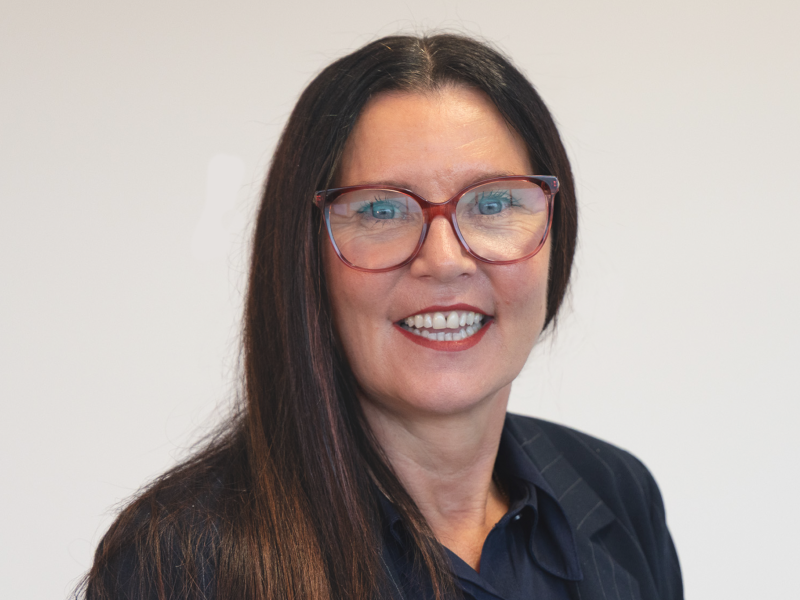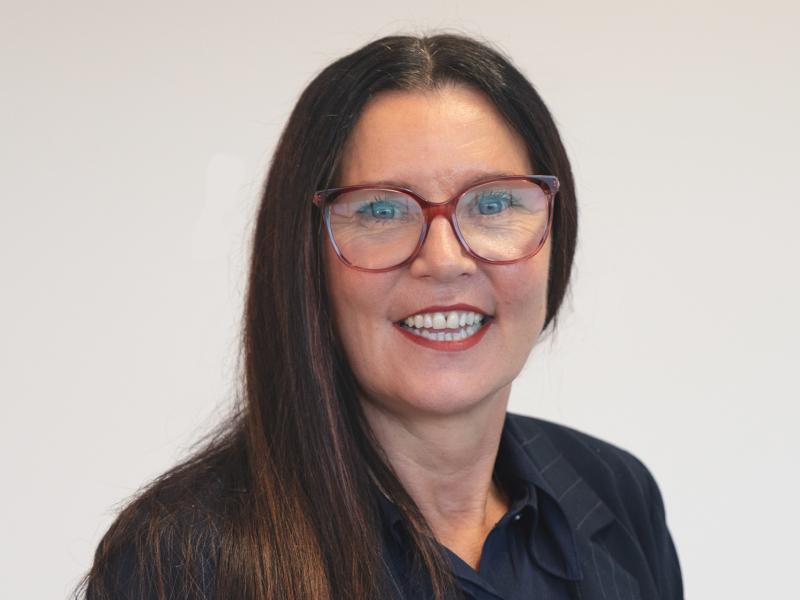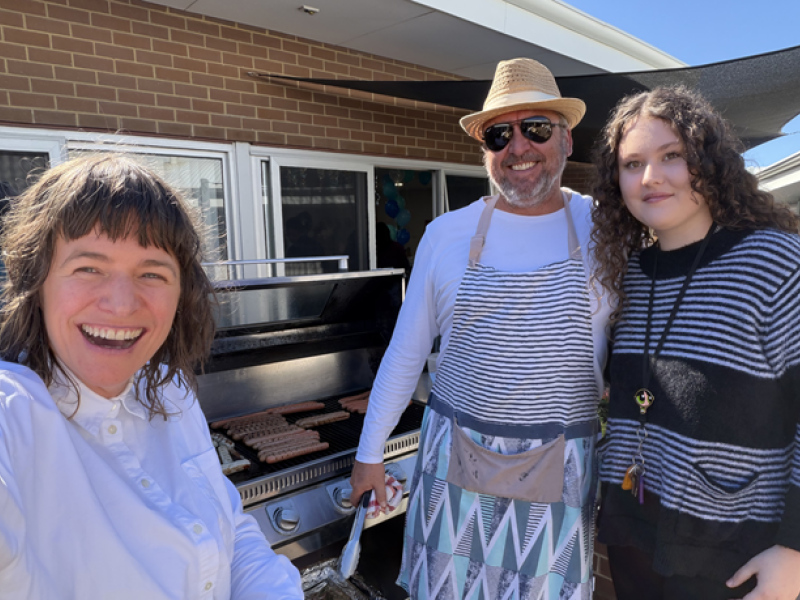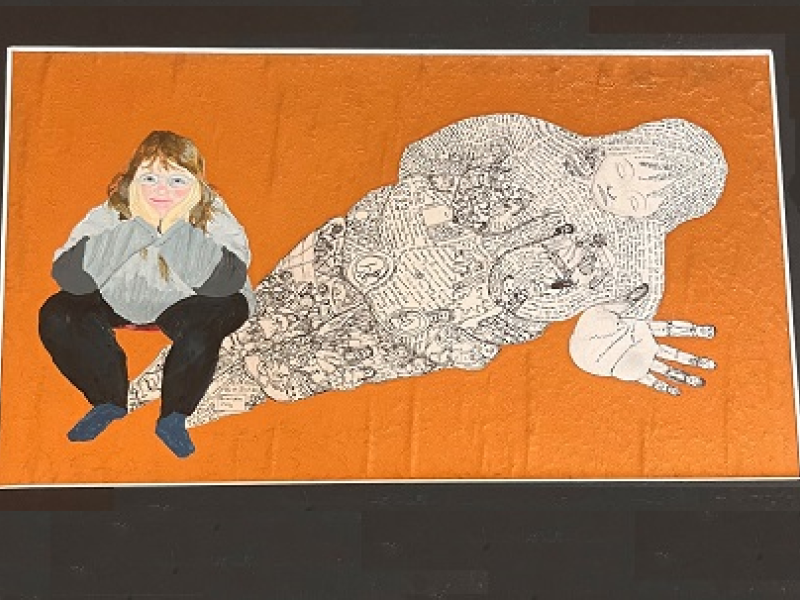
Art and photography have helped Christine - a mental health carer for her husband and two daughters - process and express her feelings, and improve mental health literacy in her community.
The 60-year-old from Bendigo in Victoria said that drawing and painting was something she practiced in critical times to help her navigate the burden of being a mental health carer for her husband and daughters, who each live with bipolar disorder.
“Doing art enables me to release my feelings,” she said.
“Because I write things in my art, I can write secrets that nobody can read; I have the freedom to say whatever I want to say.
“I don’t swear, and I try to always be nice, but I don’t have to be that in my art. What I write about in my pieces, nobody can tell me ‘no’ or that I’m wrong.”
Christine’s art is emotive, vivid and often inspired by experiences of mental health-based discrimination.
“When one of my daughters was turning 16 I took her to the movies. When we went to the toilets her friends came in, not knowing we were there, and they were all laughing at the fake excuses they were planning to use to avoid her birthday party,” she explained.
“It broke my heart. I wrote a poem about that experience, then I scratched it into a piece of cardboard using a sharp blade, because that’s what it felt like to me – drawing the words on paper wasn’t good enough, it had to be more physical. Then I rubbed charcoal into the words and I drew a picture over the top – that’s how I was able to express this event.”
Christine has her Masters in Photography and Visual Arts. In the past she has used her talent to advance mental health awareness and understanding in her community through visual storytelling.
“As a mental health carer I felt like writing letters wasn’t enough and I wasn’t getting anywhere,” she said.
“I saw how people with mental illness were treated and it wasn’t good enough, so I wanted to teach people about mental health in a way that everyone can understand – through photography.”
Sadly, in recent years Christine’s mental health has deteriorated, and she is currently being supported by Heather, a Mind peer practitioner, and the Adult Prevention and Recovery Care (PARC) service in Bendigo.
“Christine has been a tenacious force in her own recovery journey, and a fierce advocate in the face of adversity for her loved ones as a carer,” Heather said.
“Although Christine may not see it, or feel it right now, she is an inspiration and an incredible woman.”
If you would like more information, please contact us via Mind Connect or phone: 1300 286 463
If this article raises concerns for you, please call Lifeline on 13 11 14. Aboriginal and Torres Straits Islanders can also call 13 YARN (13 92 76) a 24/7 national crisis support telephone service staffed by Aboriginal and Torres Strait Islander peoples.
If you would like more information, please contact us.
1300 286 463
[email protected]
Having meaningful and productive conversations with young people can be challenging, especially when trying to discuss their mental health and what’s going on in their lives.