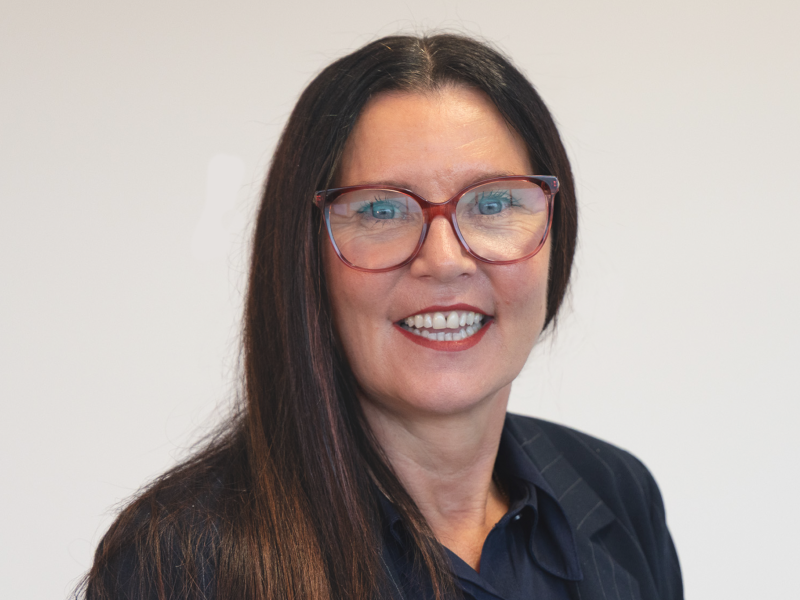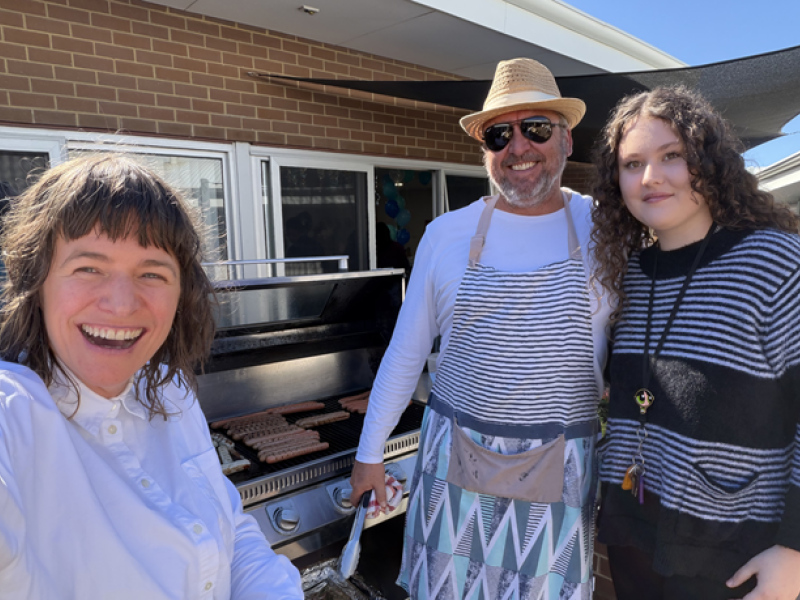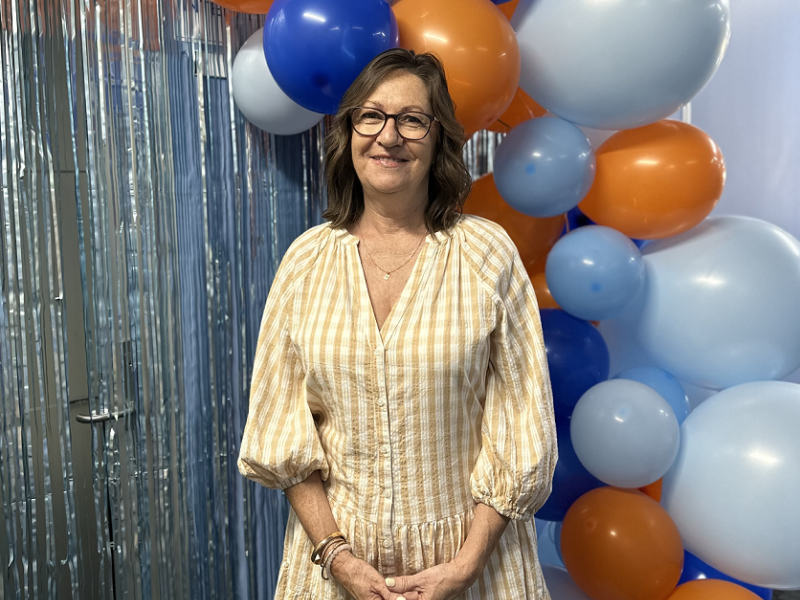
Family and Carer Peer Support Worker Julie Kelly says carers often experience burnout because they aren’t aware that support is available or they don’t identify as a carer.
Julie works at the Loddon Mallee Mental Health and Wellbeing Connect – a centre providing support for family members, carers, kin and supporters of people with mental ill-health and/or substance use challenges.
Julie knows that talking about your challenges as a family member or carer can help you cope with your caring responsibilities, which can impact all areas of life.
“It’s so important to talk to someone, and someone who understands what you’re going through. Talking with someone can relieve that anxiety that otherwise builds up over time,” Julie said.
“Being a carer impacts every part of your life. It has a ripple effect on other family members, your relationships and how you communicate. People are so burnt out because they keep it all to themselves instead of reaching out for support.”
As a peer support worker Julie has a lived experience of being a carer that she uses to create meaningful connections with people at Loddon Mallee Mental Health and Wellbeing Connect.
Julie’s experience of being a carer dates back to the late ‘70s when she started supporting a family member with a diagnosis of schizophrenia.
“I had no idea what a mental illness was, so I was learning along the way. I was supporting the rest of my family as well, and no-one really knew how to navigate the situation or even talk about mental health,” Julie said.
“Being able to connect with someone who knows what it’s like to be a carer would have helped me and my family through that experience, which is what we offer through Connect.
“The staff here have a lived experience, are very caring and we work with a relational recovery focus. We believe there is hope and support for everyone. You can come in and have a cuppa and a chat, and get the resources or help with service navigation that you need.”
The Loddon Mallee Mental Health and Wellbeing Connect is a free service delivered in partnership between Mind Australia and Mallee Family Care.
To learn more about Loddon Mallee Mental Health and Wellbeing Connect visit the Mind website or call 1800 979 730.
If this article raises concerns for you, please call Lifeline on 13 11 14. Aboriginal and Torres Straits Islanders can also call 13 YARN (13 92 76) a 24/7 national crisis support telephone service staffed by Aboriginal and Torres Strait Islander peoples.
If you would like more information, please contact us.
1300 286 463
[email protected]
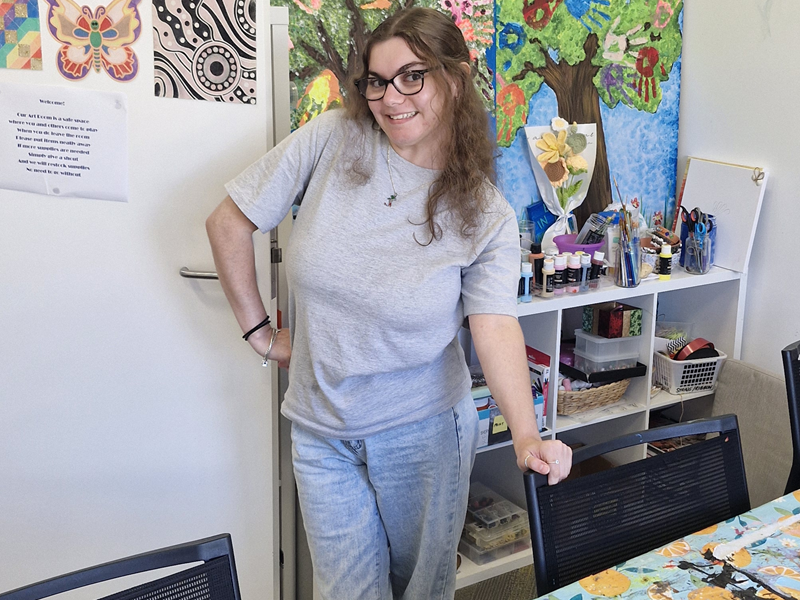
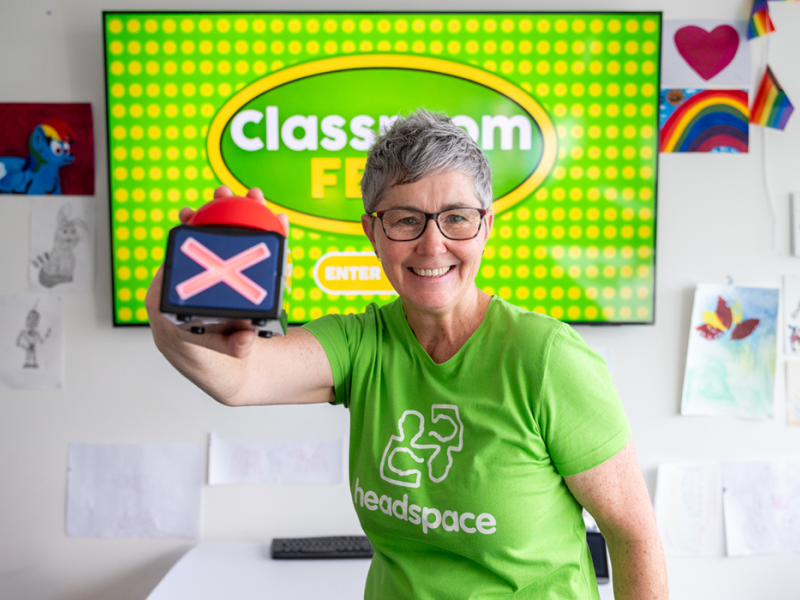
Having meaningful and productive conversations with young people can be challenging, especially when trying to discuss their mental health and what’s going on in their lives.