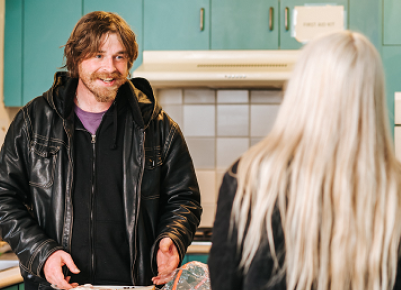
Our stories
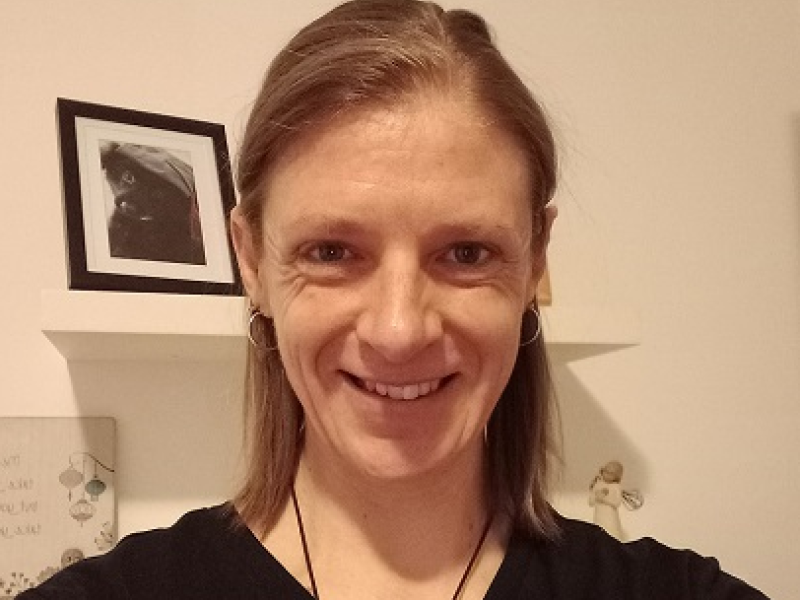
Written by Heather - a former Haven homes resident.
Four years ago, I nearly lost my life after a long, painful battle with complex mental illness. In 2017 I was resuscitated when my mind and body could no longer tolerate the torture that I had put them through after almost 20 years of severe anorexia nervosa.
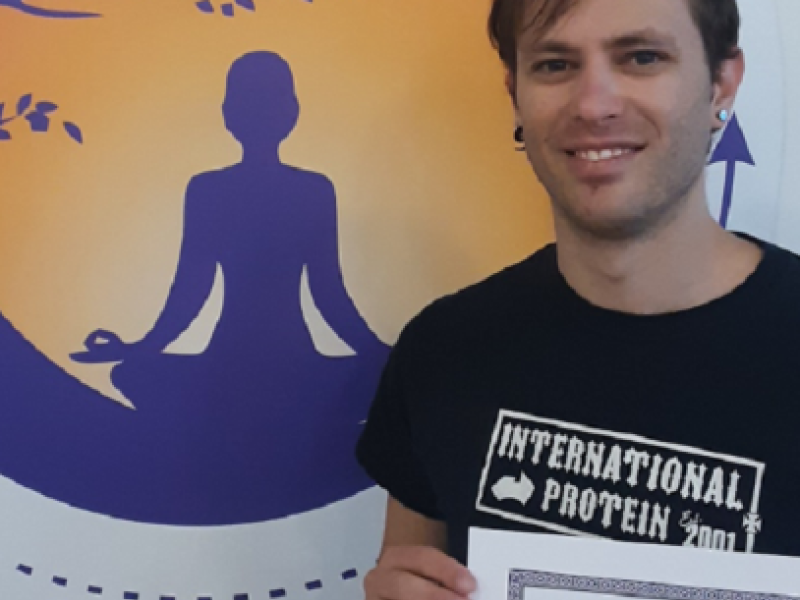
Written by Jacob - a Mind outreach client.
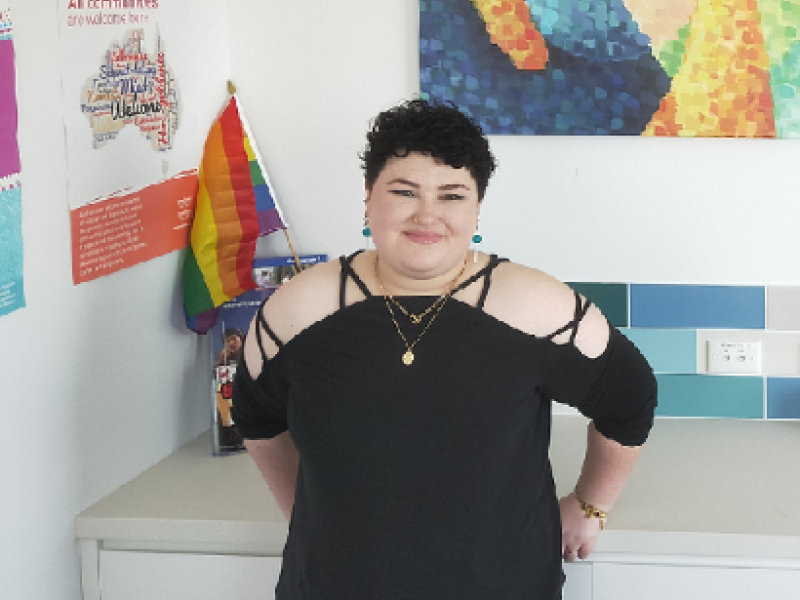
Art has helped Lucy, who uses they/them pronouns, share their thoughts and feelings for nearly 10 years now. More recently, art has been a helpful outlet for Lucy, 25, as they have navigated their mental health recovery journey and a bipolar disorder diagnosis.
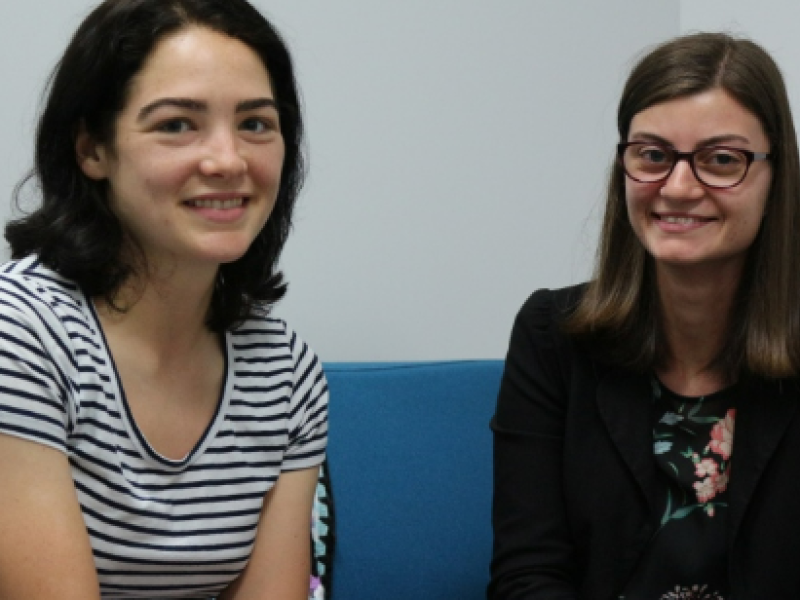
A lot has changed for Laura, a graphic designer from Melbourne’s north-east, since she accessed NDIS Support Coordination services from Mind Australia.
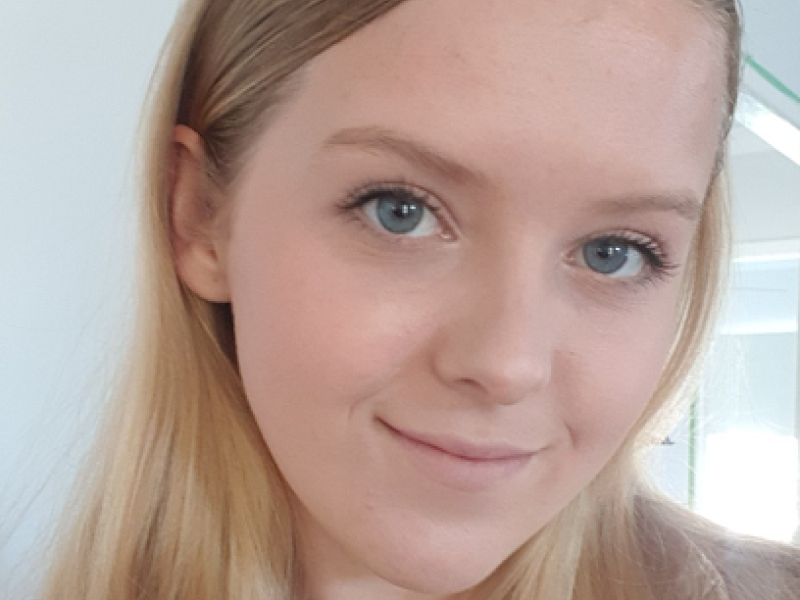
Cynthia doesn’t know what sparked her interest in art, or when it started, but art has always been there for her, especially throughout her mental health journey living with complex post-traumatic stress disorder (CPTSD).
“I remember being the kid at school that got into trouble for scribbling on books instead of writing notes,” she says.
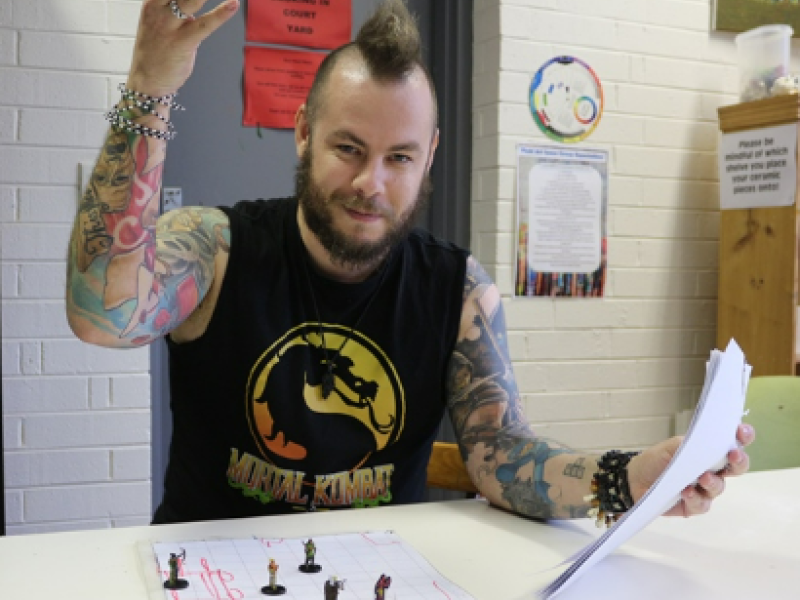
Chris Blums is a Mind peer practitioner who walks to the beat of his own drum. “I want to be the guy that provides surprises and new experiences,” he says of his work at the Mind centre in Williamstown. “I want people to leave our group and say ‘you won’t believe what we did today’.”